

Natural Mold Treatments
Safe, natural, and effective home mold remedies.
Mold is a common problem, particularly in Beyond Toxics’ wet home region of the Pacific Northwest. No matter where you live, mold is the last thing you want to find in your home. But remedies should not introduce more harmful materials into your space. Many mold removal products contain chemicals which are harmful if inhaled or swallowed.
Some common cleaning products that contain toxic chemicals are:
-
Formaldehyde
-
Ammonia
-
Antibacterials
-
Chlorine bleach
-
And more
Luckily, there are many safe and environmentally friendly ways to treat mold in your home. All it takes are a few household items and the right tools!

Navigation
Helpful Tools For Mold Cleanup
When deciding what tools you need to treat a mold problem, always remember that it will depend on both the size of the problem and the surfaces being cleaned. If the affected area is too big, you may need to use a plastic sheet or dropcloth to isolate the area. Sometimes, you may need a dehumidifier to help treat a room. However, smaller projects are much more straightforward.
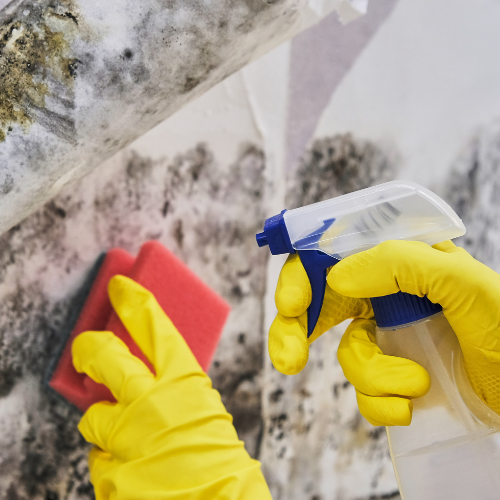
Helpful tools for mold cleanup include:
-
Brushes—metal brushes are better for mold on wood while soft brushes are better for fabrics
-
A spray bottle that can adjust the spray
-
Measuring cups dedicated to cleaning
-
Towels, rags, or paper towels
-
Rubber gloves
-
Breathing mask like an N95
-
Goggles
NATURAL MOLD CLEANING SOLUTIONS
Vinegar
Vinegar, specifically distilled white vinegar, is one of the most effective, natural, and non-toxic mold cleaners. White vinegar is mildly acidic and has been shown to be effective in treating more than 80% of mold species. It is also very safe, affordable, and can be found in most grocery stores. It does have a strong odor, but it is harmless and dissipates quickly.
Cleaning Tips:
Vinegar usually performs best on mold when it is used undiluted. Simply pour the vinegar into a spray bottle and spray directly onto the mold.
Let the vinegar sit on the mold for a minimum of one hour before rinsing or scrubbing. This will allow the mold to absorb the vinegar.
If after an hour scrubbing is still necessary, you can apply a baking soda solution. Mix one teaspoon of baking soda in two cups of water and shake in a spray bottle. Once dissolved, spray onto the mold and scrub with a brush, repeating as necessary.
Once cleaned, wipe the area with a wet, clean cloth to remove the solution.
Vinegar can be safely used with other natural cleaning solutions like hydrogen peroxide, salt, and lemon juice. NEVER mix vinegar with bleach. It will create a toxic solution!
For moldy clothing:
Moldy clothes can be soaked in a 50/50 white vinegar/water solution overnight and rinsed the next day. Wash the clothes in a washing machine using regular laundry detergent before wearing. Vinegar is safe to use on many fabrics and will not impact colors.
Baking Soda
Baking soda, AKA sodium bicarbonate, is probably in your kitchen right now. It is an extremely versatile product with uses far beyond baking, such as cleaning, deodorizing, and even toothpaste. It is also a great option for non-toxic mold treatments. Baking soda can be used with or without other ingredients as a mold treatment. Fresh baking soda is best.
Baking soda is milder than vinegar, so it may not work on more aggressive forms of mold. However, it has odor-absorbing properties and remaining residue can help prevent mold from returning. It is also safe and affordable.
There are a few ways to use baking soda on mold.
1. Create a liquid spray treatment.
To make a baking soda spray solution, combine two tablespoons of baking soda with two cups of water in a spray bottle and shake until completely dissolved. Then simply spray on the mold and scrub with a brush. Rinse the area and spray again, this time letting it air dry.
2. Create and apply a paste treatment.
To create a paste, mix a 50/50 solution of baking soda and water in a bowl. Apply the paste onto the mold and let it dry completely. Then scrub the area with a brush until the mold is gone. If the area needs more attention, combine the paste with the spray treatment.
3. Use a combination of liquid spray and paste treatments.
If a single treatment is not enough, a combination may work better. Apply the paste and allow it to dry, then scrub, spray, and scrub again. Repeat as needed until mold is gone.
For moldy clothing:
Add 1/2 cup to your machine’s wash cycle and 1/2 cup to the rinse cycle. This will not only make your clothes smell fresher but will also brighten the whites. It also helps clean your washing machine!
Hydrogen Peroxide
Hydrogen peroxide is another natural, non-toxic cleaner that many already have in their home. Despite its chemical name, hydrogen peroxide is not synthetic and is actually naturally found in nature. It is most commonly used as an antiseptic, but it is also effective in removing various types of mold. It is easily available in most health and beauty departments.
Hydrogen peroxide bubbles when it comes in contact with bacteria. This is how you know it is working in mitigating the mold.
Using Hydrogen Peroxide On Mold
Hydrogen peroxide can be used both on porous and non-porous surfaces. However, you should use different kinds on different surfaces.
Porous Surfaces
Three percent hydrogen peroxide can be sprayed directly onto porous material. It should be allowed to sit for 15 minutes before wiping off with a clean, damp cloth. Repeat as necessary. When the mold is removed, dry the area with a clean cloth or paper towel.
Non-Porous Surfaces
Mix a 50/50 solution of hydrogen peroxide and water in a spray bottle and apply to the surface. Allow it to sit for 15 minutes, wash with warm, soapy water, and rinse.
On Clothes
Hydrogen peroxide shouldn’t be poured directly onto clothes. The safest and easiest way to use hydrogen peroxide in a washing machine is to pour a cup into the bleach dispenser. This way, it only gets added to the wash once it is full of water.
Precautions When Using Hydrogen Peroxide
While hydrogen peroxide is natural and non-toxic, you should still take care to ensure it does not contact your skin and eyes. It can cause redness on the skin and irritation and pain in the eyes. Ingestion can cause a sore throat, abdominal pain, and nausea. Goggles and rubber gloves are recommendedwhen working with hydrogen peroxide.
Lemon Juice
Lemon juice is natural, non-toxic, and leaves behind a refreshing scent. Its 5% acidity makes it an effective mold remover, both when it is freshly squeezed or bought as a concentrate. Either way, it should be undiluted to treat mold, applied with a spray bottle or a soaked sponge.
Many households employ lemon juice as a natural all-purpose cleaner and natural mold remover because it is harmless to people, pets, and the environment. It can even be combined with natural cleaners like vinegar to improve odor and effectiveness.
Lemon Juice Mold Treatment
Begin by using soap and water on the moldy area, then rinse. Once rinsed, apply lemon juice directly to the mold and scrub the area immediately with a brush or scrub sponge. Repeat as necessary. Lemon juice can also be used as a daily cleaner to help prevent mold, especially on kitchen, bathroom, and shower tile.
For moldy clothing:
Add 1/2 cup to a load of laundry with regular laundry detergent to help remove mold and mildewy smells. Lemon juice can fade colors on some fabrics, so it should only be used on whites or after testing for color-fastness.
Tea Tree Oil
Tea tree oil is an all-natural essential oil that has antimicrobial properties and can be effective in removing various types of mold, mildew, and fungi. Look for tea tree oil that contains Terpinen-4-ol at no less than 30% and Cineole and no more than 10-15%.
Natural Mold Cleaning Solution
Mix two teaspoons of tea tree oil with either two cups of water or two cups of distilled white vinegar. Keep in mind that both the oil and the vinegar can have strong odors that lasts for hours, though the odor is harmless.
Mix the solution in a spray bottle and spray directly on the moldy area until wet. This will allow the mixture to soak into more porous material and deep clean the mold.
After an hour, wipe or scrub as needed. Repeat as necessary. Sometimes, a surface cleaner may be needed to fully treat more stubborn areas.
Surfaces for Tea Tree Oil
Tea tree oil-based mold cleaners can be used on both porous and non-porous material, but is generally more effective on non-porous surfaces.
For Clothing
Tea tree oil is still effective on fabrics. Add a few drops of tea tree oil to the washing machine during the rinse cycle. This has an extra benefit of cleaning mold and mildew from the washing machine itself and refreshing clothes that have been left damp in the washer too long.
Precautions When Using Tea Tree Oil
While tea tree oil is natural, it is not non-toxic. It can be poisonous if swallowed. Care should be taken in both its use and storage. Any bottle containing tea tree oil or a mixture using it should be clearly marked and safely stowed. Pet owners and parents should be careful when using this for mold cleaning.
Also note that its strong odor makes it better for smaller projects. If in a smaller space, open a window or use a fan while cleaning.
Grapefruit Seed Extract
Grapefruit seed extract is rich in essential oils and antioxidants. It is an environmentally friendly choice as a cleaner with similarities to tea tree oil, but without the strong scent. Grapefruit seed extract is a deodorizing microbial that has been shown to be effective in eliminating 60 types of bacteria and yeasts. It is most effective on non-porous surfaces, but can be used on porous ones.
Grapefruit Seed Extract Solution for Mold Cleaning
Simply mix ten drops of the extract and a cup of water in a spray bottle. Spray the solution on the mold and leave it for 10-15 minutes, then use a brush to clear the mold. Repeat as necessary.
You should wipe away any stain, but leave any remaining solution on the area to dry. This helps impact the mold and prevent its return.
Considerations When Using Grapefruit Seed Extract
Some commercially produced grapefruit seed extracts are less natural than others. Many are highly processed, created synthetically to produce a similar product sold as grapefruit seed extract. Users should perform due diligence if they are looking for truly “all natural” grapefruit seed extract. Grapefruit seed extract can often be found in health food and supplement stores, which can be good resources for verifying purity.
Cleaning Tips by Surface
Mold can form on just about any surface, both porous and non-porous. Some porous materials with severe mold issues such as carpet, drywall, and ceiling tiles may need to be replaced. Cleaning for others will depend on the type of material involved. Remember that mold spores can travel, so removing something from your home before cleaning is a good idea, if possible.
Here are some common surfaces found around the home and tips on how to get rid of mold:
LEATHER ACCESSORIES AND FURNITURE
The best non-toxic mold treatment option may be distilled white vinegar. Wipe down all leather surfaces with a towel or rag soaked in distilled white vinegar. Repeat as necessary. Follow this with warm water and then a leather conditioner once it has completely dried.
CLOTHING
Clothing with severe mold may not be salvageable. Others can be cleaned by brushing off visible mold then running through the washing machine. Clothing can be treated in the washing machine with a variety of natural products, such as hydrogen peroxide, vinegar, lemon juice, tea tree oil, and more.
BOOKS
The pages and covers of a book will need to be completely dry before cleaning, either in the sun or with a moisture absorbing material like silica gel. Each page must first be cleaned by brushing it with a paintbrush or soft cloth. Place a piece of wax paper between the page to be cleaned and the next page, then use a rag dampened in hyrdogen peroxide and gently clean the page. Let it air dry before moving onto the next one.
CERAMIC TILE
Tile is one of the easiest surfaces to clean and just about any choice of natural product will work with a good scrub. If the mold is severe, multiple treatments may still be necessary. It is recommended to leave the cleaners on the surface for some time to prevent mold from returning.
APPLIANCES
Appliances like clothing washers, refridgerators, and coffee makers are susceptible to mold.
Clothing washers should be routinely cleaned by running an empty load using a 1/2 cup of distilled white vinegar, lemon juice, or tea tree oil solution. Washer gaskets can be a breeding ground for mold and mildew.
Refridgerators can be ceaned with distilled white vinegar or a baking soda solution.
Coffee makers can be cleaned with distilled white vinegar and lemon juice.
Dishwashers should be run empty with a solution of vinegar or lemon juice and hot water to remove mold.
WALLS
Walls can be more difficult. Walls with heavy black or brown mold may need to be taken apart, inspected, and the affected materials replaced. Surface mold may be cleaned with a choice of one of the natural solutions found on this page. Repeat as necessary. Wall damage from mold is often when professional help is needed.
CARPETING AND FLOORING
Carpeting is often not salvageable when it comes to mold damage. It must be carefully (often professionally) removed from the home and disposed of. It is important that the subfloor is spore and mold-free before carpeting is replaced.
EXTERIOR SURFACES
When treating outside siding, brick, and other surfaces, it’s a good idea to protect plants and vegetation by soaking them down with water and even covering them briefly in plastic. Outside surfaces will often take multiple applications and aggressive scrubbing, especially with concrete. Brick and concrete may benefit from the use of a metal brush. This is also an area when professional help may be needed.
Tips for Preventing Mold
Mold can be found both inside and outside the house, from basements and bathrooms to closets and attics to kitchens and in mattresses. Darkness, moisture, and lack of airflow are all conducive to the growth of mold and mildew. These issues, if left uncorrected, can cause physical damange to a structure and be hazardous to one’s health.
It is much easier to prevent mold than to clean it. Here are some tips for preventing mold at home:
Check for mold frequently. Mold or mildew can be easy to spot in the bath or shower, but it often occurs in areas that are hidden. Proactively looking for it is a necessity. Be sure to check dark, damp places like basements.
Pay attention to leaks. Mold will seek out moisture. Leaking faucets and pipes need to be fixed promptly. When a leak has occurred, make sure the area is cleaned and dried properly. Check drain pipes and the areas underneath them.
Check areas where powders and liquids are stored. Under sinks and laundry rooms are prime examples. Powders can absorb moisture but then transfer it to the bottom of the box. Liquids from containers can drip or leak.
Clean with natural cleaners that can prevent mold. Cleaning surfaces with citrus-based cleaners or even a white vinegar solution can help prevent mold. Natural lemon is a good, fresh smelling option that can prevent mildew and mold growth. Leaving cleaning solution residue on the surface can help prevent more growth.
Let the sunshine in. Sunshine can help kill and prevent mold, so open your windows, curtains, and blinds to maximize natural light.
Let in fresh air. Moving fresh air also helps stop mildew and mold growth. A fresh breeze through an area or air movement from fans can help minimize mildew and mold growth.
Use a dehumidifier. If you have a problem in a specific room or area, a portable dehumidifier can be a solution. If you live in an area where humidity or moisture is a problem overall, consider a whole-house solution.
Install or upgrade ventilation fans in bathrooms. Since moisure in bathrooms is often a source of mold, a ventilation fan can help mitigate the problem. USe the fan whenever taking a hot shower that adds moisture to the air. It can also help to dry surfaces after a shower, including the shower, sinks, mirrors, and counters.
Check around windows. Mold can be a problem in homes with older windows that may let moisture in or that may fog up in extreme weather changes. Check under windows and in the window corners for mold growth. A vinegar window cleaner can help prevent mildew on older windows.
Pay attention to musty odors. This is a warning sign that mildew or mold is developing.
Give your home a thorough Fall and Spring cleaning. One of the best ways to prevent mold is to give your home a deep cleaning twice a year. This will give you an opportunity to get into closets, under sinks, and other dark corners where mold can spring up.
Know When It's Time To Call A Professional
Mold can be a scary problem, but there is often no reason to panic. Using one of the natural mold cleaners in this guide will take care of most mildew and mold problems safely. However, there are also situations when it may be time to call in a professional.
HOW DO I KNOW WHEN IT’S TIME TO CALL A PROFESSIONAL?
One clue is the size of the problem area. The EPA suggests that if an area is larger than ten feet by ten feet, it should probably be handled by a professional. There are several reasons for this including the amount of cleaner it’d take and the potential issue of removing moldy material.
Another indication is if it is deeply rooted into wallboard or even the attached 2×4’s. This material must be carefully and safely disposed of and a professional can ensure removal is handled properly.
Finally, the intensity and the type of mold you have can be the deciding factor. Black mold that is fuzzy and appears almost dirt-like can be problematic to get rid of as a DIY project. It can be well worth the time and expense of getting professional assistance with black mold.
WHO DO I CALL?
Look for a professional who is certified in mold remediation and who is licensed and bonded. You will also want to pay particular attention to any guarantees provided to make sure work performed meets your needs and expectations.
TAKEAWAY
Knowing your limits can be a valuable instinct when taking on a project to clean up mold. You can feel confident, however, that a natural, non-toxic solution is more preferable to a toxic, chemical solution that may harm you, your household, and the environment.