
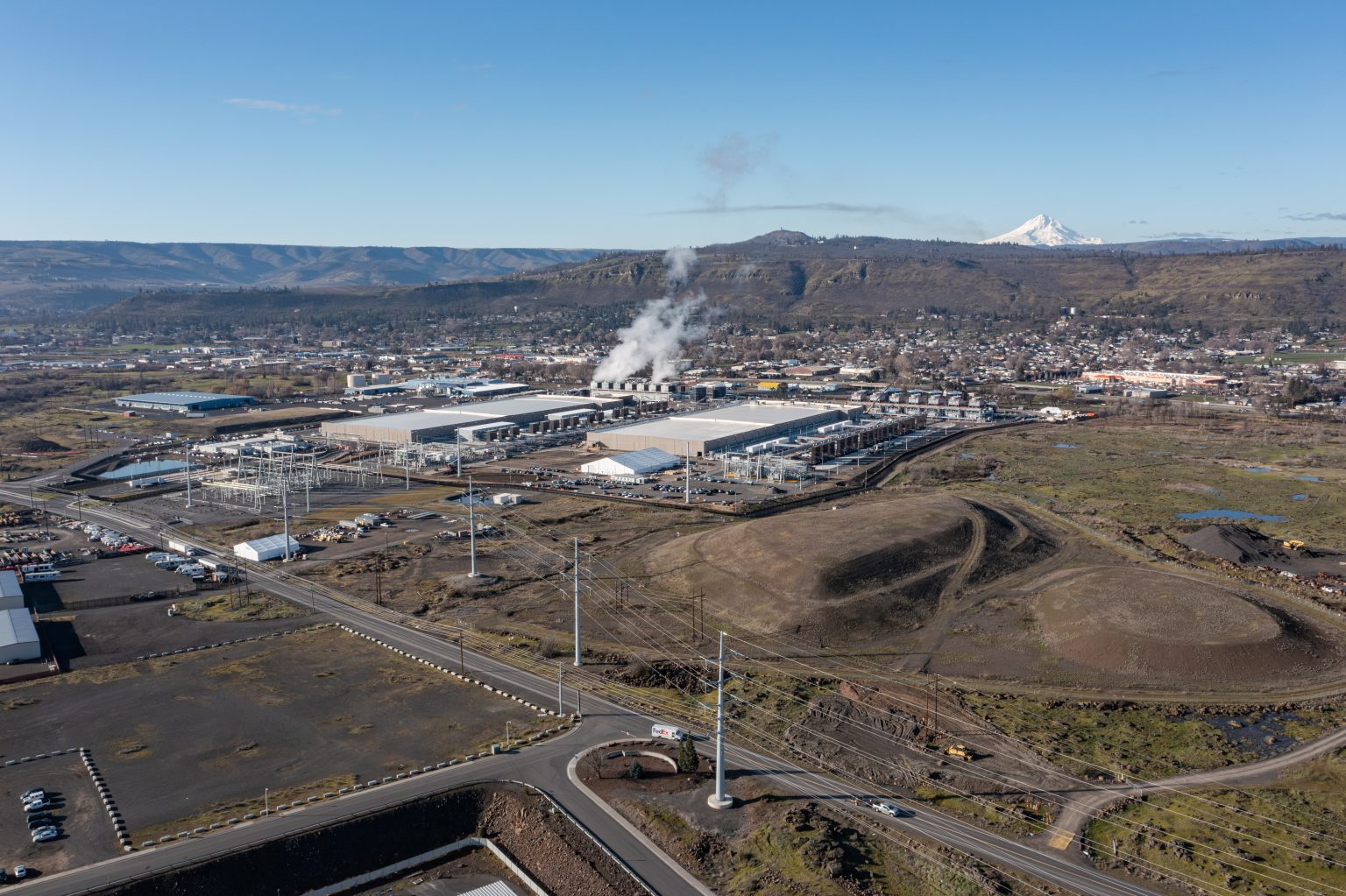
Data Centers
Beyond Toxics advocates for a moratorium on siting and construction of data centers in Oregon until sustainability and equity are top priorities.
Data center development has exploded across the U.S. in recent years with Oregon being a prime location for this development due to accessibility to water, cheaper electricity, and the state’s history with computer chip development.
Larger scale data centers have an enormous appetite for water and electricity and pose substantial public health risks and nuisances to nearby communities. This sudden explosion in development comes with questionable benefits. While AI holds promising potential for a variety of fields including pro environmental applications, AI infrastructure will more likely decimate entry level jobs, increase power of large corporations, and enrich shareholders.
Action Alert: Public input opportunity on EWEB Rate Reform
In light of the recent boom in data center construction in Oregon, EWEB should protect customers from rate increases from data center development by increasing the existing large general electric service customers, as was recently done by Portland General Electric in response to the State Legislature’s 2025 POWER Act.
EWEB public meetings are held the first Tuesday of each month. Public testimony can be given in person or over the phone.
The next public meeting is October 4 at 5:30 p.m.
Recent Data Center News

Sept. 16, 2026
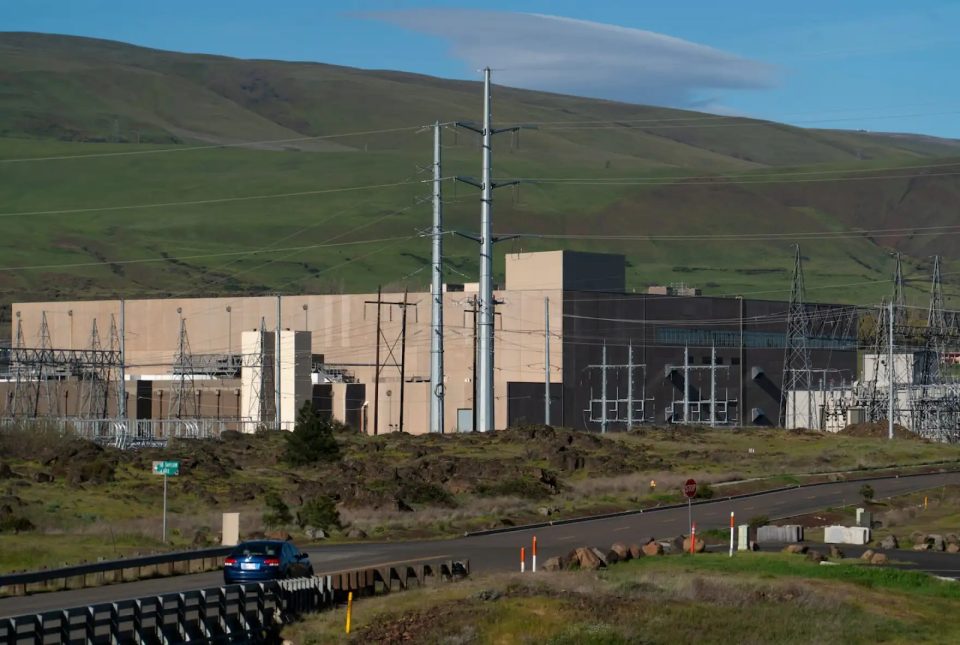
Sept. 18, 2026
Nov. 24, 2025
Environmental Risks of Data Centers
- Data centers consume vast quantities of water in order to cool machinery. Other coolant methods rely on large quantities of PFAS (aka Forever chemicals), which are a group of chemicals with serious health risks. Effluent (outgoing water) from data centers can include elevated levels of PFAS and its higher temperature threatens the ability for ecosystems to support life.
- Data centers also consume large amounts of electricity. While some protections for ratepayers have been passed with the POWERS act, data center consumption can still drive up overall electricity demand faster than renewable energy infrastructure can keep up.
- Data centers have constructed enormous quantities of diesel generators to provide backup power in case of emergency. Pollutants from operating diesel generators increase risk of cancer, stroke, heart disease, and Alzheimer’s. An OPB investigative report found that data center diesel generators around Pendleton-Hermiston would produce more NOx emissions than all of Oregon’s transportation systems combined in the event of a regional blackout.
- Data centers machinery and equipment can produce consistent noise pollution that creates a constant nuisance. Noise pollution from HVAC systems, diesel generators, and cooling infrastructure can increase stress, interfere with sleep, and reduce quality of life.
These practices make it difficult if not impossible for communities to evaluate the impacts of data center development and identify potential problems.