
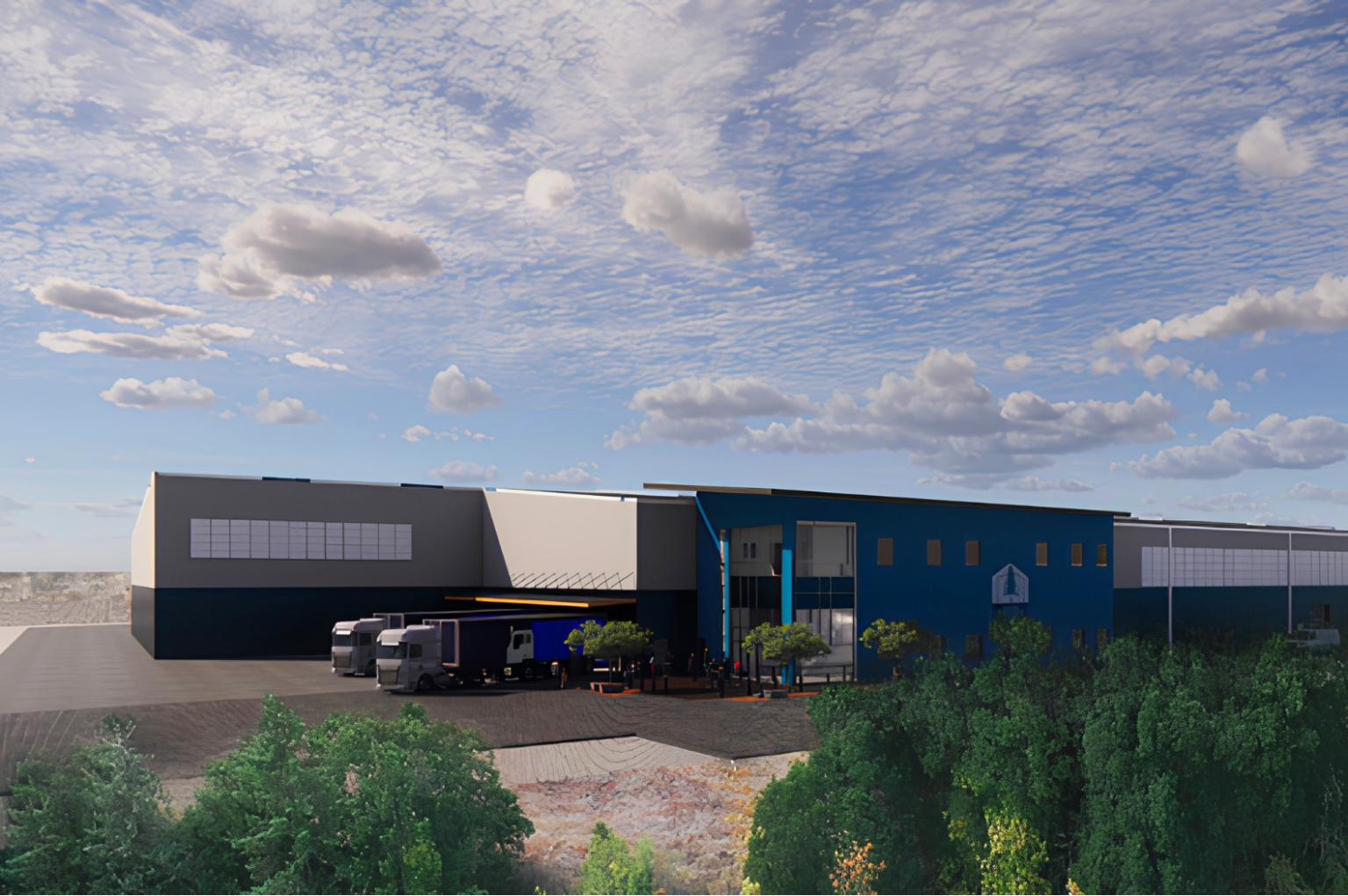
CleanLane Waste Recovery Facility
CleanLane Waste Recovery Facility was approved by Lane County Board of Commissioners in 2023 but has faced numerous delays due to challenges by local waste haulers
Publicly-owned System Serves Everyone
Lane County’s waste management structure gives it the strongest possible oversight to make decisions that affect residents’ costs and environmental outcomes. Lane County has achieved the highest waste diversion rate of any landfill in Oregon. Short Mountain Landfill combined with a network of transfer stations provides accessibility for rural and unincorporated areas, as well as urban areas. Research shows that illegal dumping increases when transfer stations are not affordable or accessible. Private owners concentrate on locating facilities where they are most profitable, ignoring more rural areas.
The county’s CleanLane project improves the system, by diverting approximately 80,000 tons of waste annually, roughly one-third of the material currently headed to Short Mountain. This extends the landfill’s total life and supports the county’s progress toward its 2030 diversion goals.
CleanLane Environmental Benefits
Actions You Can Take to Defend CleanLane
Consider switching haulers, if you live in Eugene
Moving your service away from a hauler funding litigation against CleanLane sends a clear signal about community priorities. Royal Refuse is the best option to stop contributing funds with your monthly bill to the Lane County Garbage and Recycling Association.- Contact Royal Refuse at 541-688-5622 or on their website: https://royalrefuse.com/
- Eugene is the only city in Lane County with multiple haulers, so switching your service elsewhere is not possible, but you can still take action.
Contact your county commissioner
Express support for CleanLane and for waste policy decisions that prioritize residents over out-of-state shareholders. Commissioners oversee CleanLane. Thank your commissioner for their support, or tell your commissioner to get behind supporting good waste management.- Lane County Commissioners Pat Farr, Laurie Trieger, and Heather Buch have supported the project while Commissioners Dave Loveall and Ryan Ceniga have repeatedly opposed the project.
- You can find which commissioner represents you using this map from Lane County Gov.
Contact your city council, particularly in Springfield and Creswell
Urge them to join the intergovernmental agreement that requires Sanipac to route local waste to Short Mountain rather than to Dry Creek Landfill in Medford.- Springfield City Council Page
- This map can tell you what ward you live in. Click under the boundaries tab and select “Council Wards”
- Creswell City Council Page
- Springfield City Council Page
Contact your hauler directly
Let them know you do not support funding legal challenges against a project that benefits the community. Members of the Lane County Garbage and Recycling Association are: Coburg Sanitary Service, Apex Garbage & Recycling, Ecosystems Transfer and Recycling, and McKenzie Disposal.- Contact Sanipac at 541-736-3600 or get in contact under their general inquiry tab. Tell them to start bringing back waste to Short Mountain and accept the County’s generous offer to reduce tipping fees to $100 a ton. Read this fact sheet for more information.
- Contact Apex Sanitary Service at 541 607-2042 or via another method here.
- Contact Coburg Sanitary Service at 541-683-5929 or by another method here.
- Contact Ecosystems Transfer and Recycling at 541-935-2655 or by another method here.
- Contact Mckenzie Disposal at (541) 988-3016 or by another method here.
Sample message for Electeds and Waste Haulers
Tell your local elected official or waste hauler that you support CleanLane.Hi ____,
My name is ____ and I am a [customer, voter, resident] of your community. I am really excited about the CleanLane project and its promise to deliver on sustainability goals and reinvest in our local economy. This project is in line with my values as a [customer/voter] and I am very disappointed to hear that you have been:
- voting against this project
- using my money to fight the project
- shipping my garbage down to Medford
I have lost trust in you as a [politician / business] in my community. I hope you can find a way to support and work with this project instead of undermining it. It is really important to me that we find more sustainable ways to manage waste, and this project accomplishes that while reinvesting in our local businesses.
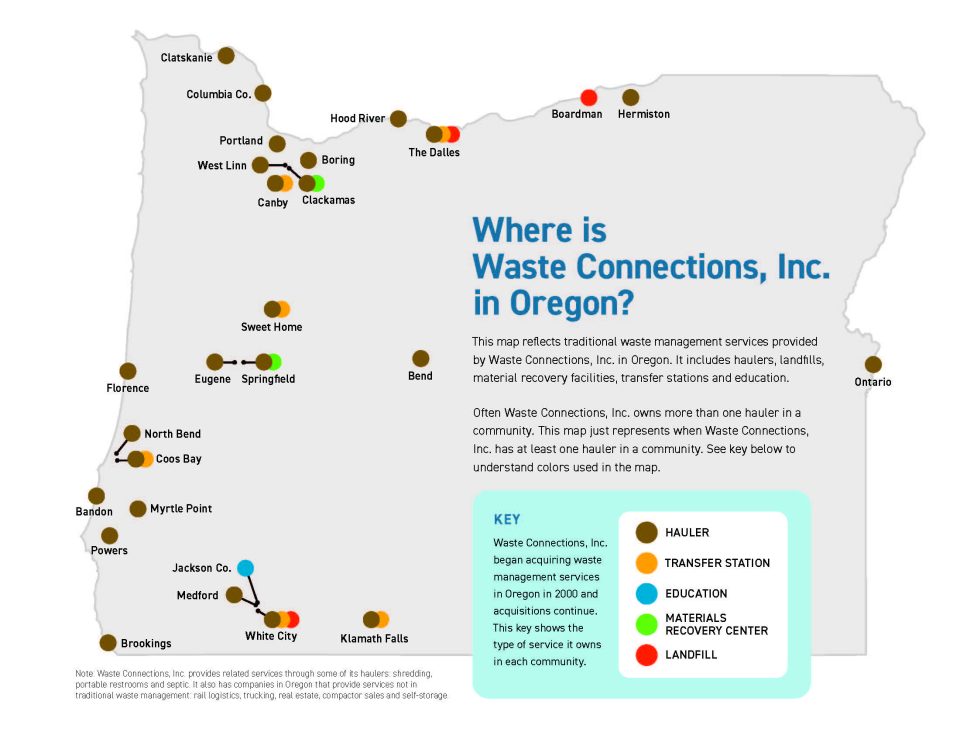
Starved by Waste Connections, Sanipac's Corporate Owners
For several years, Sanipac, a hauling company owned by the Texas-based Fortune 500 corporation Waste Connections, has redirected its waste 170 miles south to its own landfill in Medford rather than continuing to deliver it to Short Mountain. This volume of exported waste has increased from 0 tons annually in 2022 to approximately 100,000 tons in 2025.
Each ton not delivered to the county system represents lost revenue for the county’s system benefits fund, which supports rural transfer stations, rural cleanup for illegal dumping, hazardous waste collection, and recycling education programs. Several of these programs have already faced cuts as a result, including reduced hours at transfer stations. This action also reduces potential funding for CleanLane.
Delayed by Local Haulers
Separately, the Lane County Garbage and Recycling Association, a trade group formed in 2024 in direct response to CleanLane, has pursued repeated legal challenges against the project, funded by revenue from their ratepayers. The county, in turn, has had to allocate taxpayer funds to defend against these challenges. Residents are being squeezed on both ends and only the lawyers benefit. Royal Refuse is the only local hauler to break away from the group.
Will my rates go up?
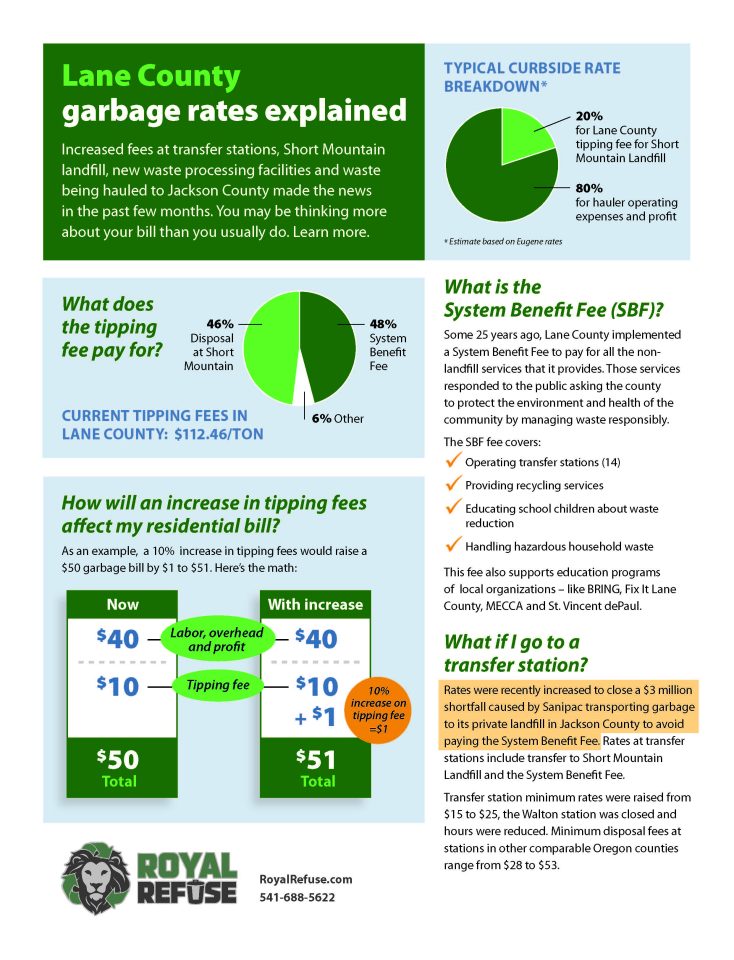
Yes, but not by much. CleanLane is funded by small annual increases to tipping fees at Short Mountain Landfill. Tipping fees are about 20% of your overall bill.
Additionally, waste haulers cannot just raise rates. They have to request a rate increase to your local city council, or your county commissioners in unincorporated areas.
Protecting Your Interests
In 2015, Oregon required all counties to reduce the amount of waste sent to landfills by 2030. Lane County set a waste diversion target of 65% for itself. In 2020, county officials identified Short Mountain Landfill as the second-largest source of greenhouse gas emissions in Lane County. In response, the county solicited proposals for a facility capable of recovering recyclables and organic material before it reached the landfill. In 2023, the county selected Bulk Handling Systems to design and operate that facility, known as CleanLane, after a competitive process.