Waste Management
Our goal is to protect frontline communities, push pragmatic solutions, and carefully manage the risks associated with waste management.
Beyond Toxics has worked around waste management industrial operations for over ten years, starting with the Reworld (formerly Covanta) incinerator in Brooks, Oregon. Our years of advocating for waste stream limitations, emissions controls, and a real-time air quality monitoring system for Reworld, led us to working with another community Coffin Butte Landfill.
The community at the incinerator was advocating for landfilling as a solution to their public health burdens while the community near Coffin Butte advocated for incineration as a solution to theirs. The fight for sustainable waste management, local public health, and a safe environment would not be able to go far if these communities were not aligned in a common cause.
Beyond Toxics brought these two groups together in order to work on solid waste management issues together.
Managing these risks are imperative. No community should be a sacrifice zone for the benefit of cheap disposal for other cities and counties. There are a wide range of solutions to these problems available, and as an organization, we believe in the need to pursue an array of them.
Solutions include:
-
Reducing the production of toxic materials
-
Increasing the recycling and reuse of materials destined for waste
-
Managing the siting and regulations of large waste oriented industrial operations
Waste Management Projects
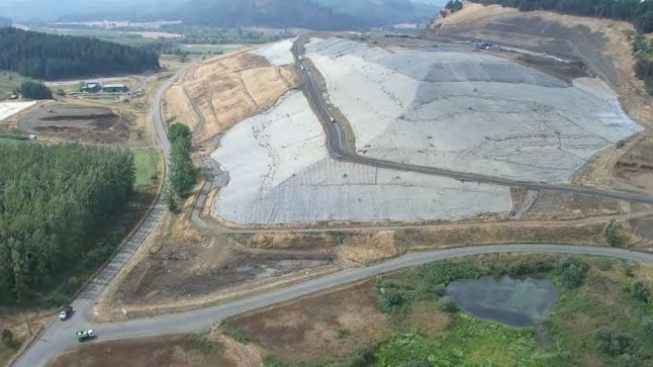
Why we're opposing Coffin Butte Landfill
Coffin Butte is not a safe or pragmatic site for a landfill given the local geology, annual precipitation, and proximity to suburban and rural residential zoning.
-
All landfills eventally leak, and Coffin Butte sits over highly fractal basalt, which means leaks can travel far and unpredictably.
-
Coffin Butte is under DEQ and EPA investigation for repeated gas emissions regulatory violations.
-
Leachate, the water that leaks from the landfill, is not adequately treated before being dumped back into the Willamette River.
Expansions to Coffin Butte Landfill have been rejected in the 90s, 2021, and now most recently by the Benton County Planning Commission in 2025. However, the Benton County Board of Comissioners approved the expansion after an appeal in late 2025. That approval is currently under appeal.
There are 14 years of capacity left in Coffin Butte landfill, and we will work to support a transition to more sustainable forms of waste management within that buffer.
VNEQS Appeals Coffin Butte Expansion Approval
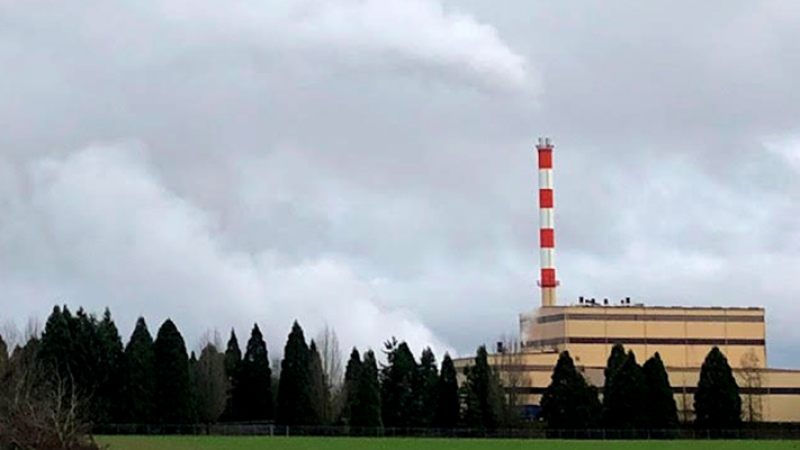
What is currently happening with Reworld Incinerator?
The Reworld incinerator in Brooks Oregon stopped operations in January of 2025. Beyond Toxics worked with Clean Air Now, 350 Salem, PCUN, and other coalition partners to pass SB 488 in the 2023 legislative session. SB 488 required incinerator operators to install real time air quality monitoring equipment.
As of November 2025, there is a prospective, anonymous buyer looking to purchase and reopen the Marion County Incinerator. Beyond Toxics is carefully monitoring the situation. Please reach out to [email protected] if you have heard anything or have questions.
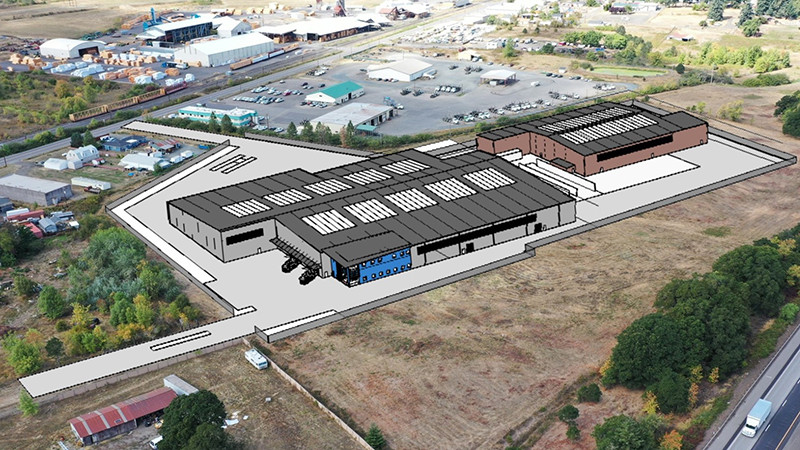
Why we're supporting Lane County's Waste Sorting Facility CleanLane
Lane County has committed to a public-private partnership with Bulk Handling systems to create a state of the art waste sorting facility that will increase the lifetime of the local short mountain landfill, significantly reduce greenhouse gas emissions, divert materials back into the economy, and increase local sustainable manufacturing jobs. CleanLane will lead the Willamette Valley in modernizing solid waste management and increasing environmental sustainability.
Beyond Toxics encourages residents to support this project and let their local city councilors and Lane County Board of Commissioners this project is critical to local sustainability and pragmatic waste management.
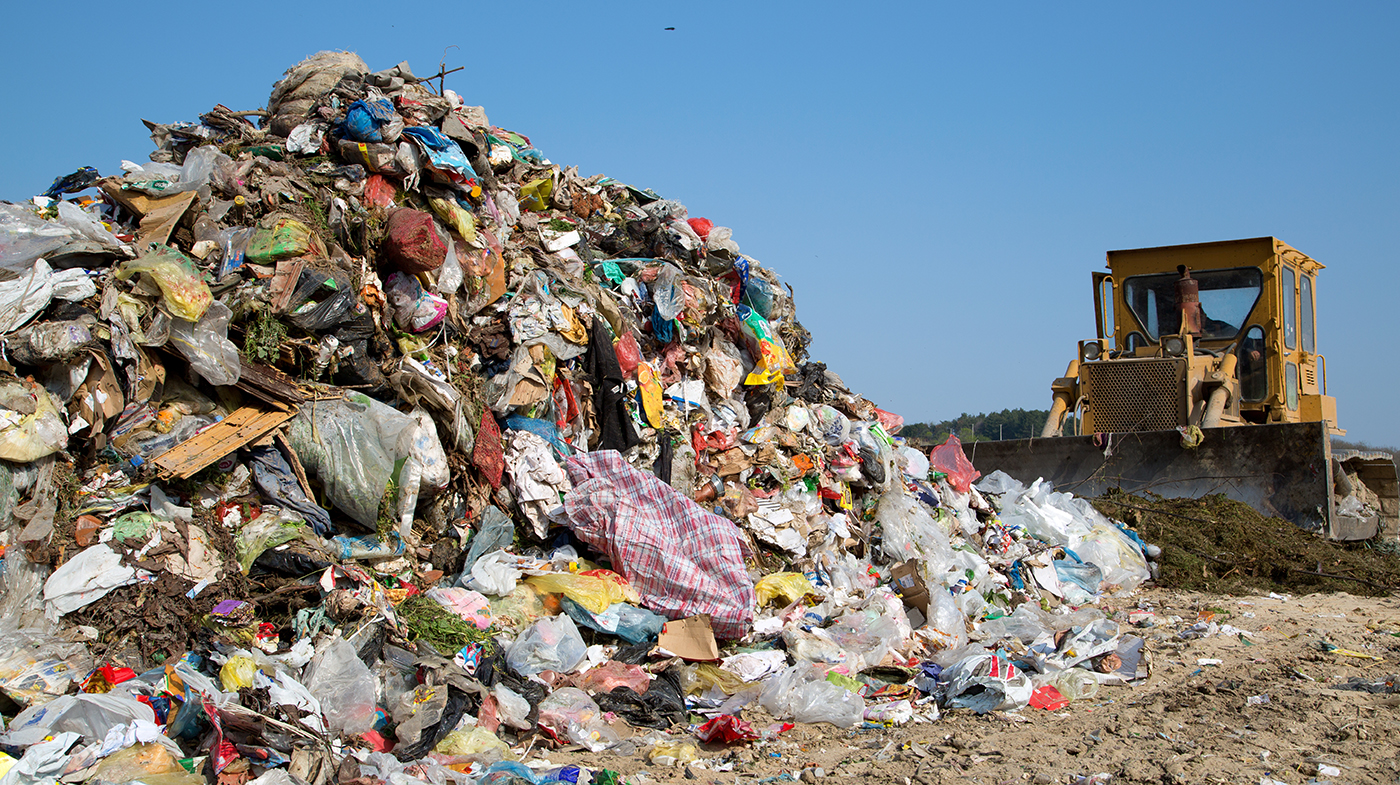
Why we're supporting Policy Changes in Landfill Gas Monitoring
Effective landfill gas monitoring is critical to protecting our climate and nearby air quality for local residents living near landfills in Oregon.
Beyond Toxics has conducted an extensive analysis of records submitted to DEQ on landfill gas monitoring compliance by Oregon’s largest landfills. Through that process we found several concerning areas where landfill operators are not complying with existing regulations or are exploiting loopholes in current regulations. As a result, we worked to support the passage of SB 726 in the 2025 legislative session.
SB 726 draws on successful experiences in other states, including California, Colorado, and Pennsylvania, where advanced monitoring technologies have led to measurable reductions in greenhouse gases and improved operational outcomes. We are working over the course of 2026 to ensure SB 726 is implemented properly and effectively.
Why is Waste Management a Focus of Beyond Toxics?
Climate Change
Whether trash is landfilled or incinerated, there are challenges in managing the production of greenhouse gasses. Incineration produces a large amount of carbon dioxide, while decomposing organic waste in landfills produces methane, a greenhouse gas 84 times more powerful than carbon dioxide.
Methane can build up at a landfill and result in massive leaks to the atmosphere and fire risks to nearby communities. Additionally, carbon dioxide and particulates are produced when captured landfill gas is burned as fuel at a gas-to-energy facility or flare.
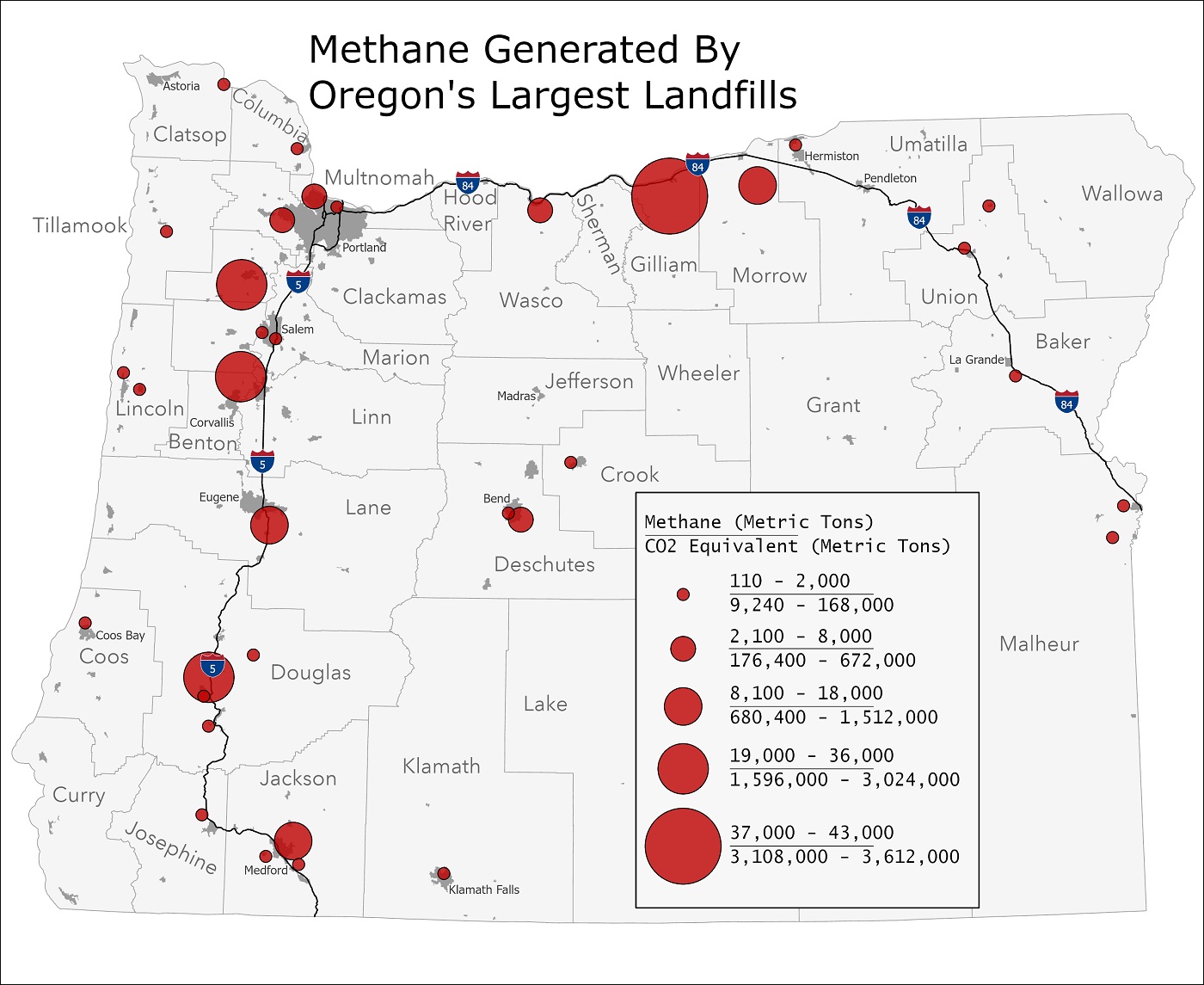
As shown by this map, Coffin Butte Landfill in Benton County, just north of Corvallis, is one of the largest methane producing landfills in Oregon.
Air Quality
Incineration combines all of the chemicals found in waste creating new hazardous byproducts that need to be caught and mitigated rather than enter nearby community air spaces, which can pose health risks. Similarly, landfills slowly generate landfill gas, a combination of methane, carbon dioxide, and Volatile Organic Compounds (VOCs).
Landfill gas constantly searches for a way to escape the landfill and enter the atmosphere where it can harm the climate and nearby residents' health while creating a noxious smell posing nuisance concerns.
Water Quality
Leachate can be thought of as garbage juice. As water travels through landfills or incineration ash, it accumulates all sorts of toxic materials along the way including heavy metals, solvents, and more.
Throughout the waste management process, water is introduced to garbage or waste byproducts, contaminating it with toxins found in the waste stream. In incinerators, water is introduced into leftover ash in order to cool the ash to manageable temperatures.
Additionally, ash from incinerators is frequently landfilled in ash monofills or in regular landfills mixed with other garbage, which results in another opportunity for leachate creation. In landfills, water is introduced to garbage, or ash, by precipitation or residual moisture from food waste and other materials.
Landfill operators are required to install a leachate collection system by placing pipes along the bottom of the landfill which is lined with a plastic membrane to prevent contact with soil and groundwater. Some landfills choose to add additional protections such as a clay layer.
When the membrane rips or tears from wear over time, leachate can contaminate the groundwater and soil forming a plume. In an ideal scenario, the liner catches the leachate and pumps it into a storage “bladder” or tank.
Most landfills send their leachate to municipal wastewater treatment facilities, where it is combined with city sewage. Sewage treatment facilities are not designed to treat the highly concentrated toxins present in leachate, and consequently many of the heavy metals and PFAS pass through the treatment plant.
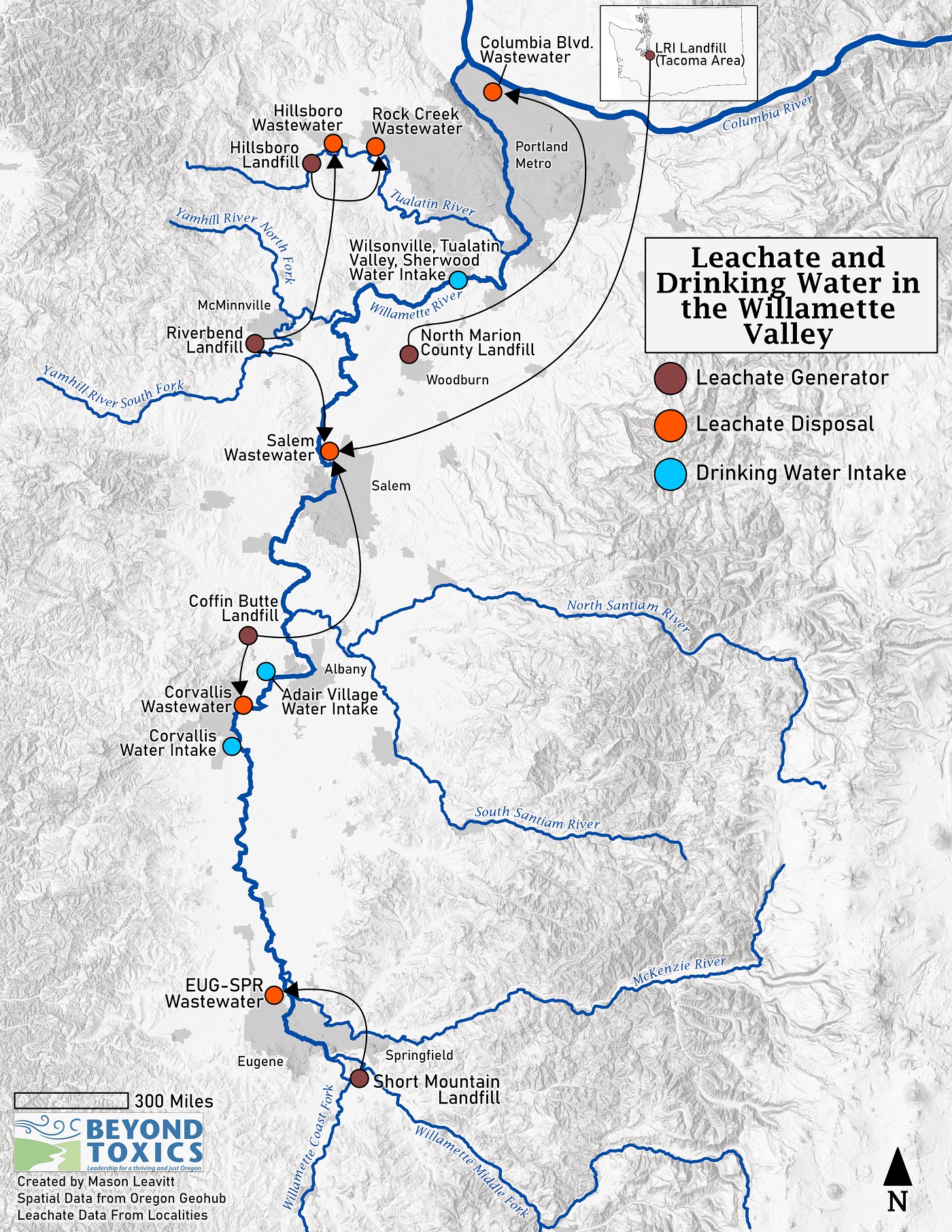
This map shows leachate sources, disposal sites, and their proximity to drinking water intakes. Arrows show where each landfill's leachate is disposed. Most drinking water intakes are downstream from leachate disposal sites.