Air Quality
Nearly 99% of Eugene’s pollution comes from factories in a single ZIP code, which is also home to the majority of the city's people of color and lower income households.
WHAT WE ARE DOING
Beyond Toxics and a coalition of clean air advocacy groups from around the state share a vision for clean, healthy air in all of Oregon's communities.
According to the EPA’s National Air Toxics Assessment, Oregon has the third largest population at risk of excess cancer due to air pollution. Exposure to air pollution has been linked to premature death, higher prevalence of lung disease, decreased productivity in school and work, lost earnings, and school absences. Low-income people and communities of color are likely to live in areas where pollutants exceed public health standards.
Beyond Toxics has been fighting for clean air in Oregon for two decades. We won health-based air quality laws that also include equity benchmarks. We succeeded by using community organizing, pressuring state legislators and working at every level to adopt the strongest air quality and land use rules and regulations. We took action to force industry to clean up their pollution, we’ve changed bad zoning patterns, we prevented harm to communities from the impacts of industrial pollution and we continue to engage and organize the communities we serve.
PROJECTS

Cleaner Air Oregon
Beyond Toxics helped establish this innovative statewide program. We continue to serve as a key stakeholder in the ongoing process of developing stronger air quality laws to protect the lungs of all Oregonians.
Wildfire and Air Quality
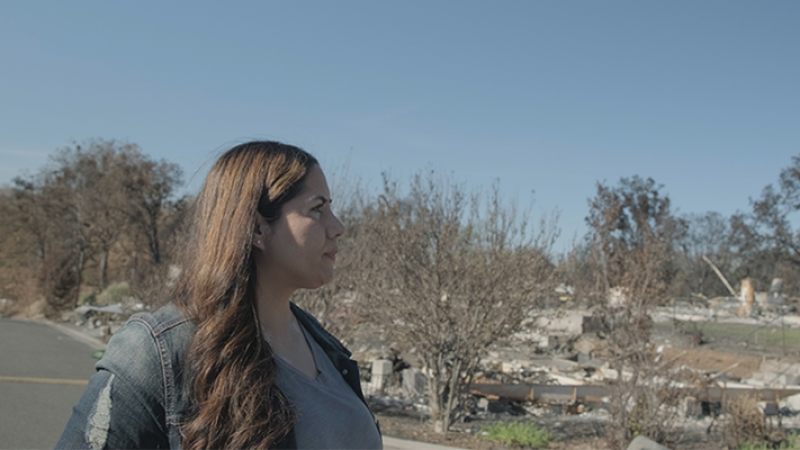
The September 2020 wild fires in Oregon had an unprecedented impact on many Oregonians, especially those people of color and lower income people who have lived on the disastrous edge of displacement as a result.